
Contamination of metalworking fluids is part of everyday life in CNC machining, but it is not always managed correctly. As a result, coolants are often changed much more frequently than actually necessary. A coolant tank with a capacity of 500 litres already represents a significant cost factor, not to mention the labour required for draining, cleaning and refilling the machine. When multiplied across several machines, the potential savings become substantial and can be realised through the cleaning of metalworking fluids.
The most common reason for a complete coolant change: The metalworking fluid has become so heavily contaminated that it can no longer perform its function reliably.
Fine metal chips, sludge, tramp oils and bacteria continuously contaminate the coolant, especially in high-production environments and multi-shift operations.
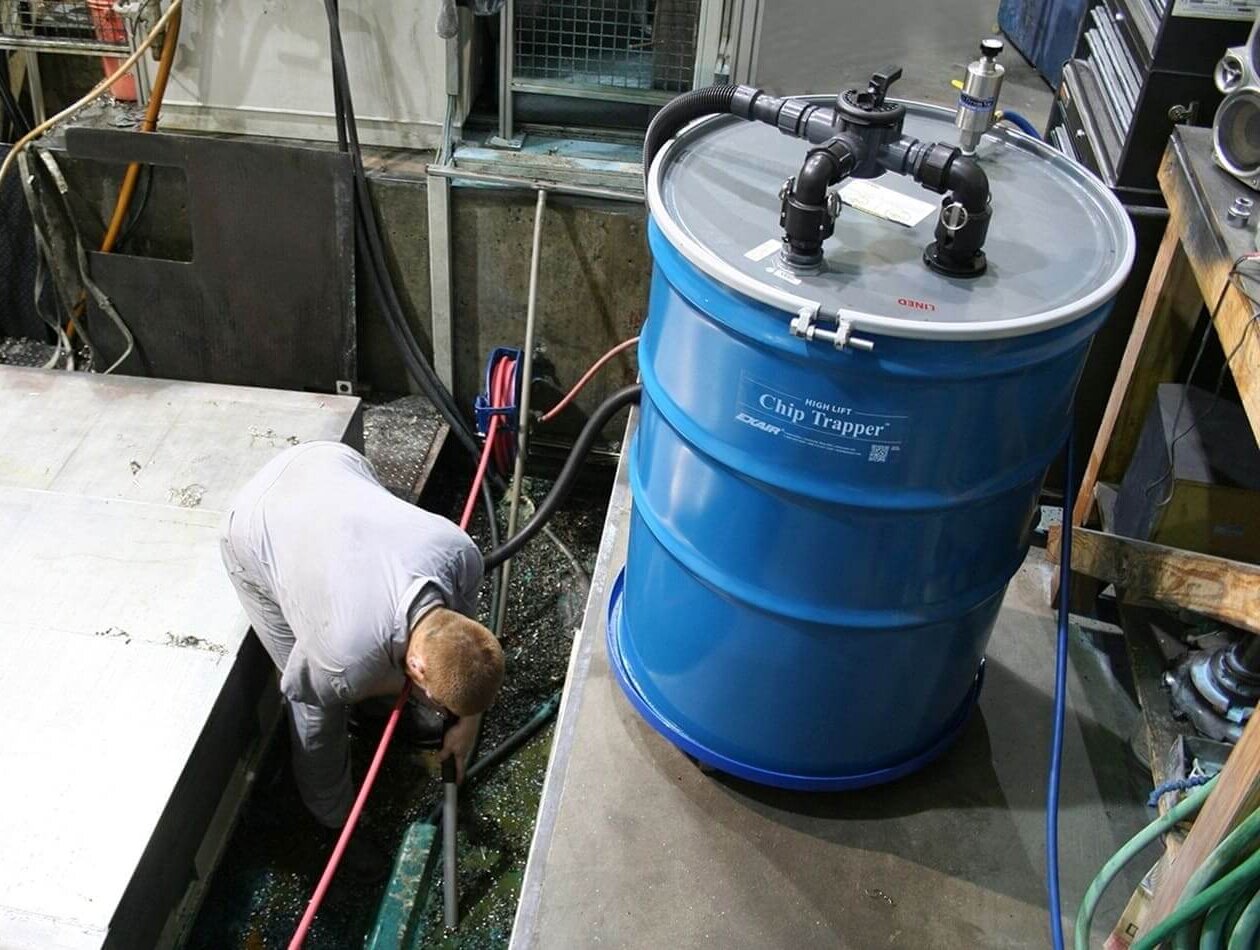
As contamination increases, cooling performance declines, tools wear more quickly and the surface quality of machined parts deteriorates.
Many workshops respond by completely replacing the coolant and accept the resulting downtime and disposal costs as unavoidable.
However, this is less an unavoidable problem and more a matter of proper metalworking fluid maintenance.
How coolant contamination develops
Every machining process generates both metal chips and finer particles. Chip conveyors reliably remove larger chips, but smaller chips and abrasive particles remain in the coolant or settle at the bottom of the machine sump.
Over time, stubborn sludge deposits build up. These deposits restrict coolant circulation, reduce heat dissipation and increase the load on pumps and filters. In addition, tramp oils from machine guideways or hydraulic systems enter the coolant. They form a film on the surface, promote bacterial growth and lead to unpleasant odours.
The more heavily contaminated the coolant becomes, the less reliable the machining process. In many facilities, the coolant is then completely drained, including fluid that is still usable. Besides material losses, the volume of hazardous waste requiring disposal increases and machines remain out of service unnecessarily long. This effort quickly adds up, especially in facilities operating multiple CNC lathes or machining centres.
The key point: Contaminants must be removed before they render the coolant unusable.
Vacuum and clean coolants in a single step
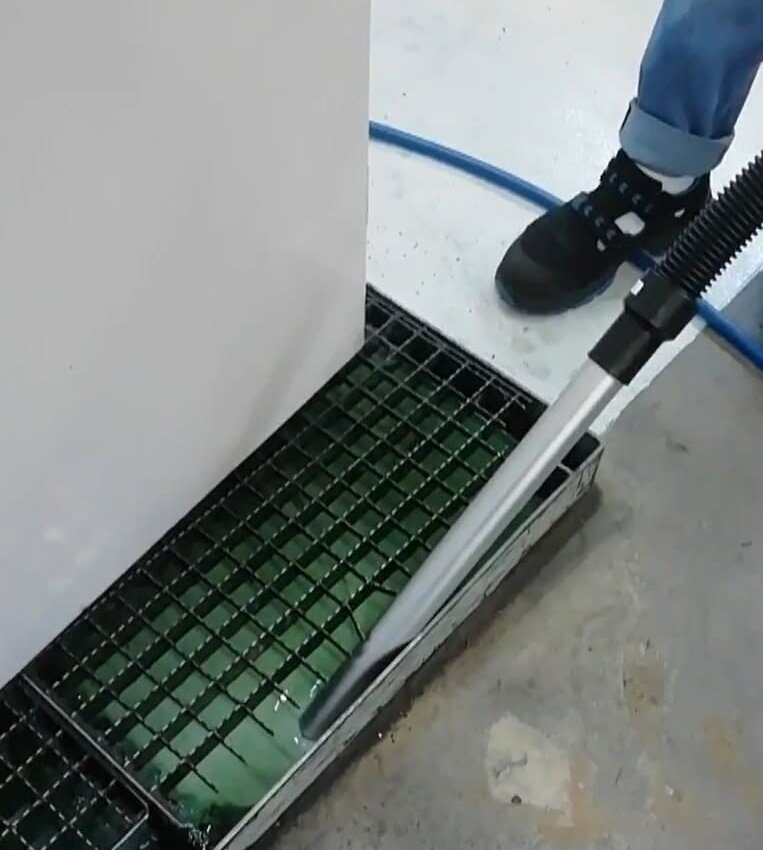
- High-performance industrial vacuum systems, specifically vacuum recovery systems with chip filtration, are a proven solution for keeping metalworking fluids clean.
- They operate using compressed air and vacuum contaminated emulsions, including chips and sludge, into a sealed collection container.
- Because these systems operate without electric motors, they are particularly well suited to wet workshop environments. At the same time, maintenance requirements remain low due to the minimal number of wear-prone components.
Metalworking fluid maintenance: Tangible improvements in daily operations
- Regular removal of chips, sludge and tramp oils significantly extends coolant service life.
- Instead of requiring complete replacement every few weeks, the coolant can ideally remain in use for several months.
- The result is reduced costs for new coolant purchases and disposal.
Simple cleaning and disposal
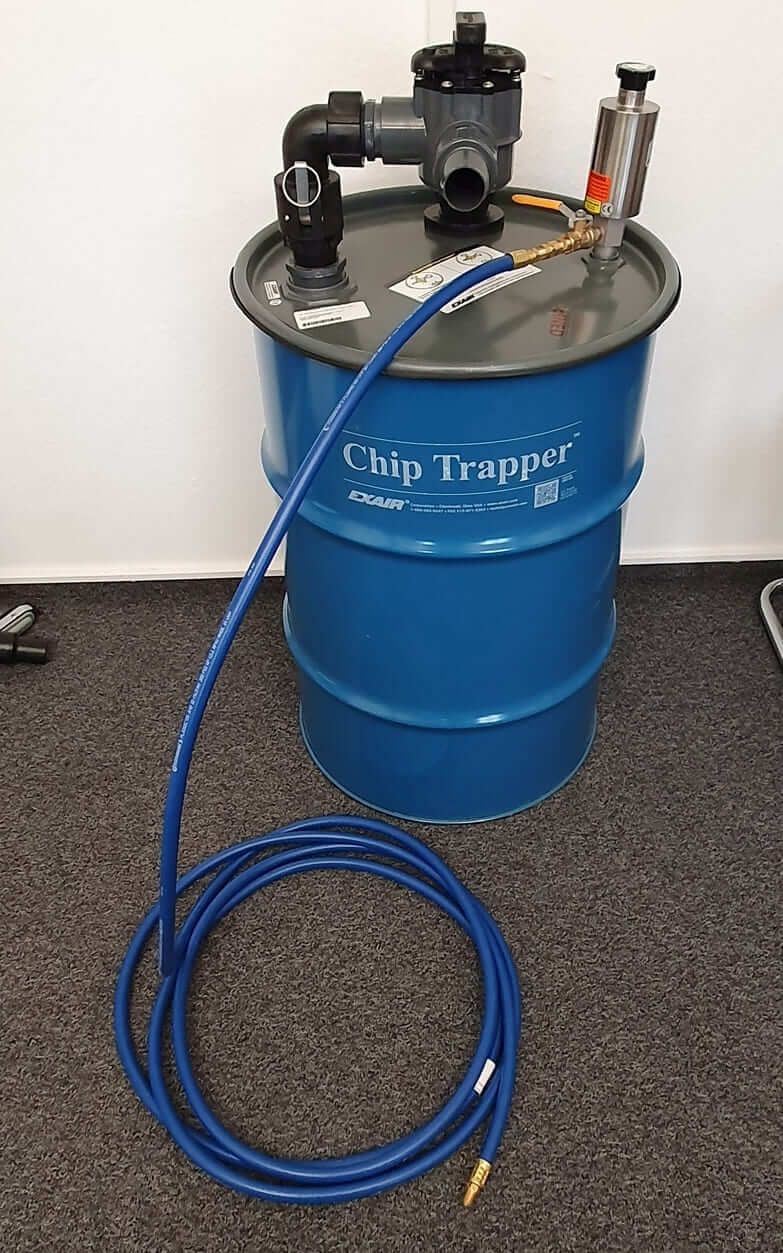
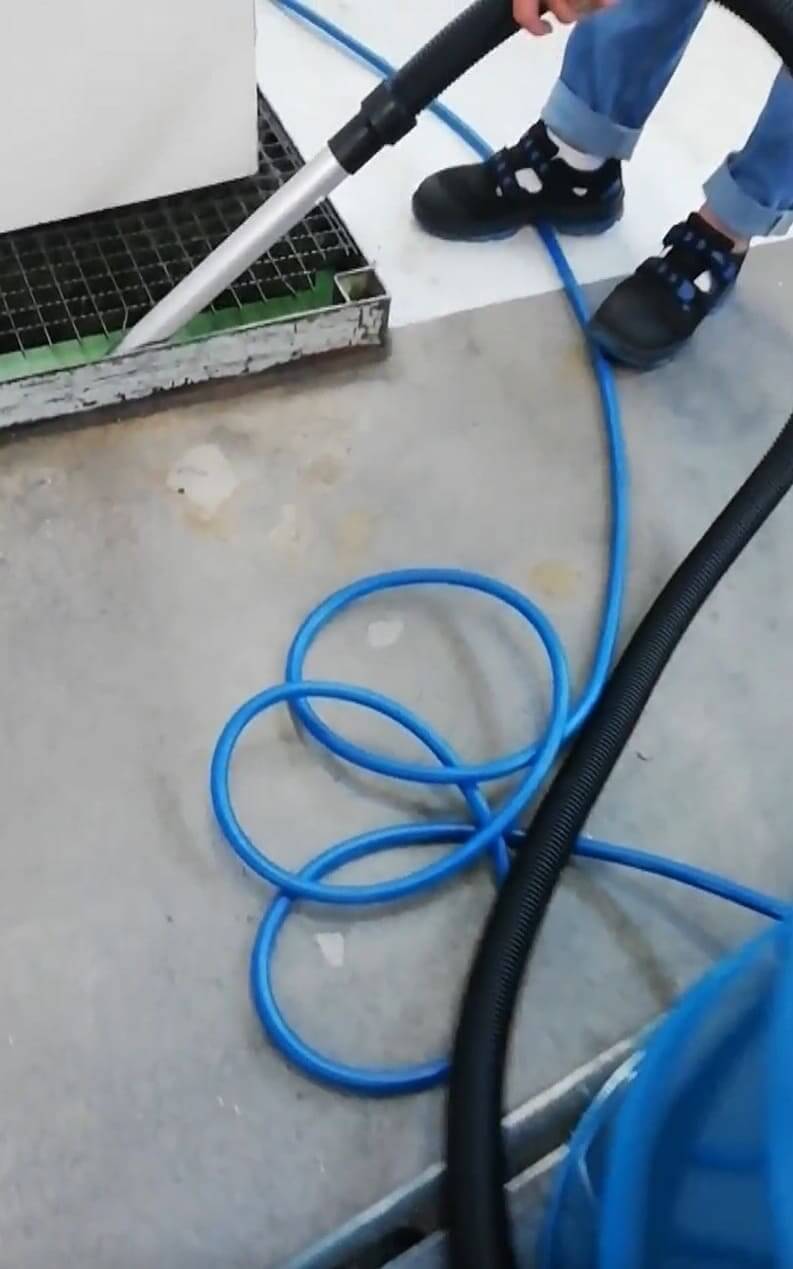
- Chip recovery systems such as the EXAIR Chip Trapper vacuum contaminated coolant into a drum while simultaneously filtering it.
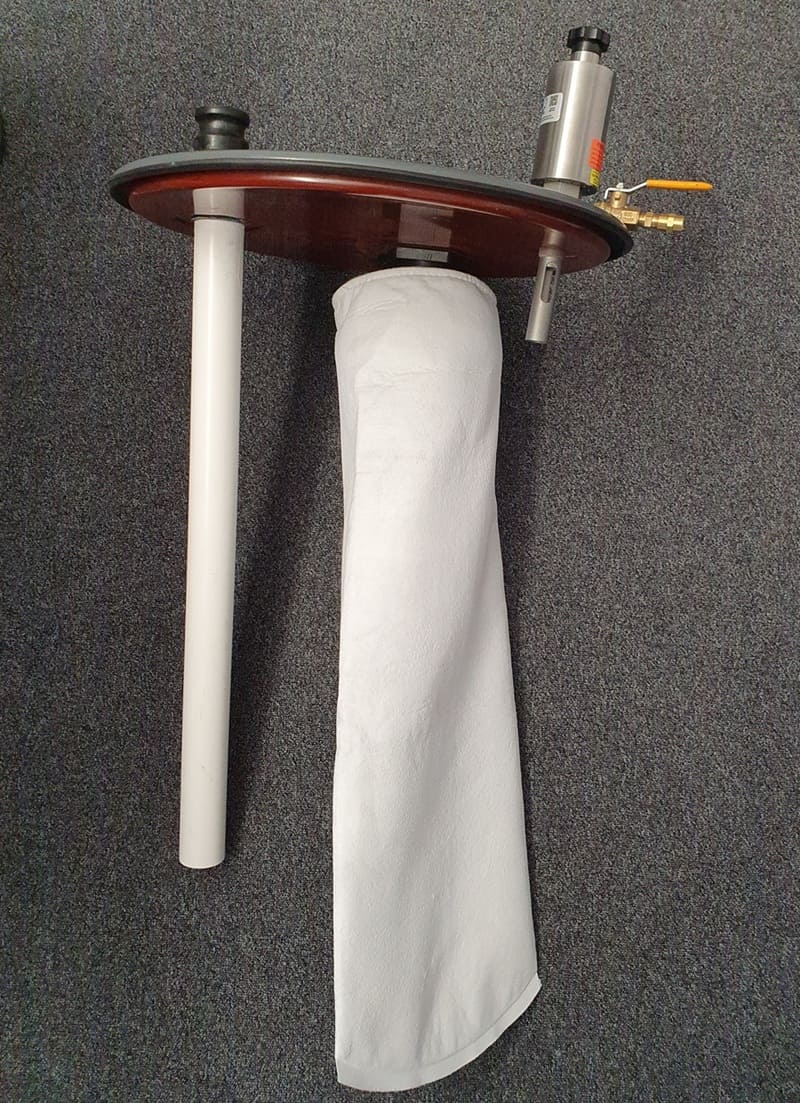
- Chips and sludge remain in the reusable filter bag, while the emulsion is immediately ready for reuse.
- The solids separated in the filter bag can be collected compactly and disposed of separately.
Maintenance is also optimised:
With suitable recovery systems, coolant tanks can be cleaned in less than an hour. The intervals between complete draining and refilling are extended, allowing maintenance personnel to focus on other service tasks.
There is also less downtime because machines can be returned to operation more quickly. Depending on the size of the machine fleet, the additional productive machine time can be significant.
Longer-lasting coolant for more cost-efficient manufacturing
Companies looking to reduce coolant-related costs should first record their current replacement intervals and calculate the total cost per machine, including materials, labour and disposal.
These costs can then be compared with the investment required for a coolant cleaning system and the potential service-life extension that can be achieved.
For manufacturing companies that want to keep their CNC machines clean while reducing operating expenses, compressed-air-powered chip recovery systems offer a simple and reliable solution for everyday use.